Our History
Since 1712, St. Paul’s Episcopal Church, Rock Creek, has welcomed generations into prayer, community, and sacred history. That year, the Rev. John Frasier – then rector of St. John’s, Broad Creek—was invited to preach once a month in what was then the wilderness of Rock Creek Parish. In May of that same year, a vestry was formed, and their minutes, still preserved in our archives, mark the beginning of more than three centuries of faith and community in this place.
In 1719, Colonel John Bradford offered 100 acres as a glebe, land to sustain the parish and its rector. Others contributed tobacco and sterling to support a church, and within two years, both a wooden and then a brick sanctuary rose on this ground. By 1726, the Colonel Assembly granted parish status, and the congregation started to flourish.
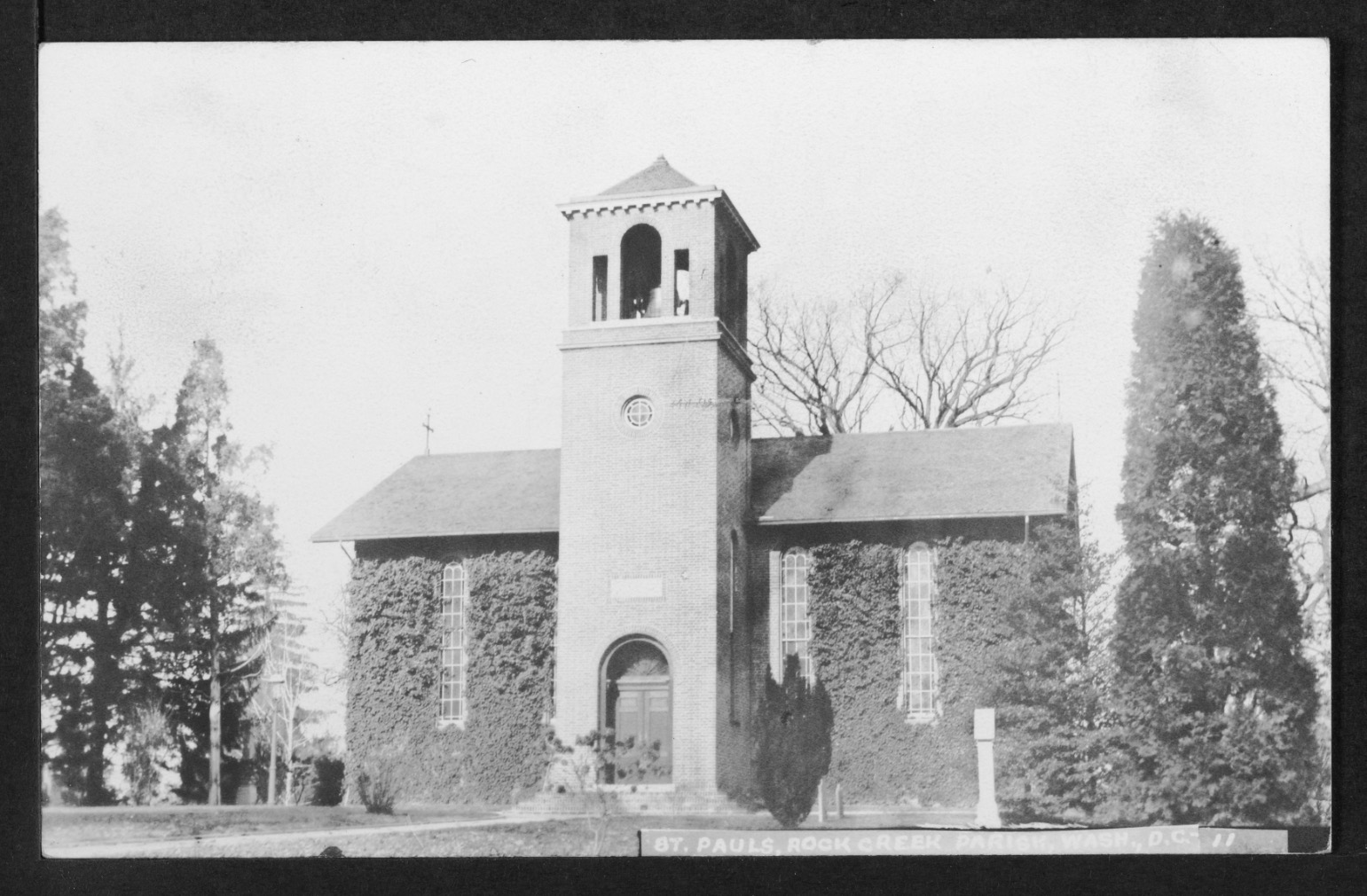
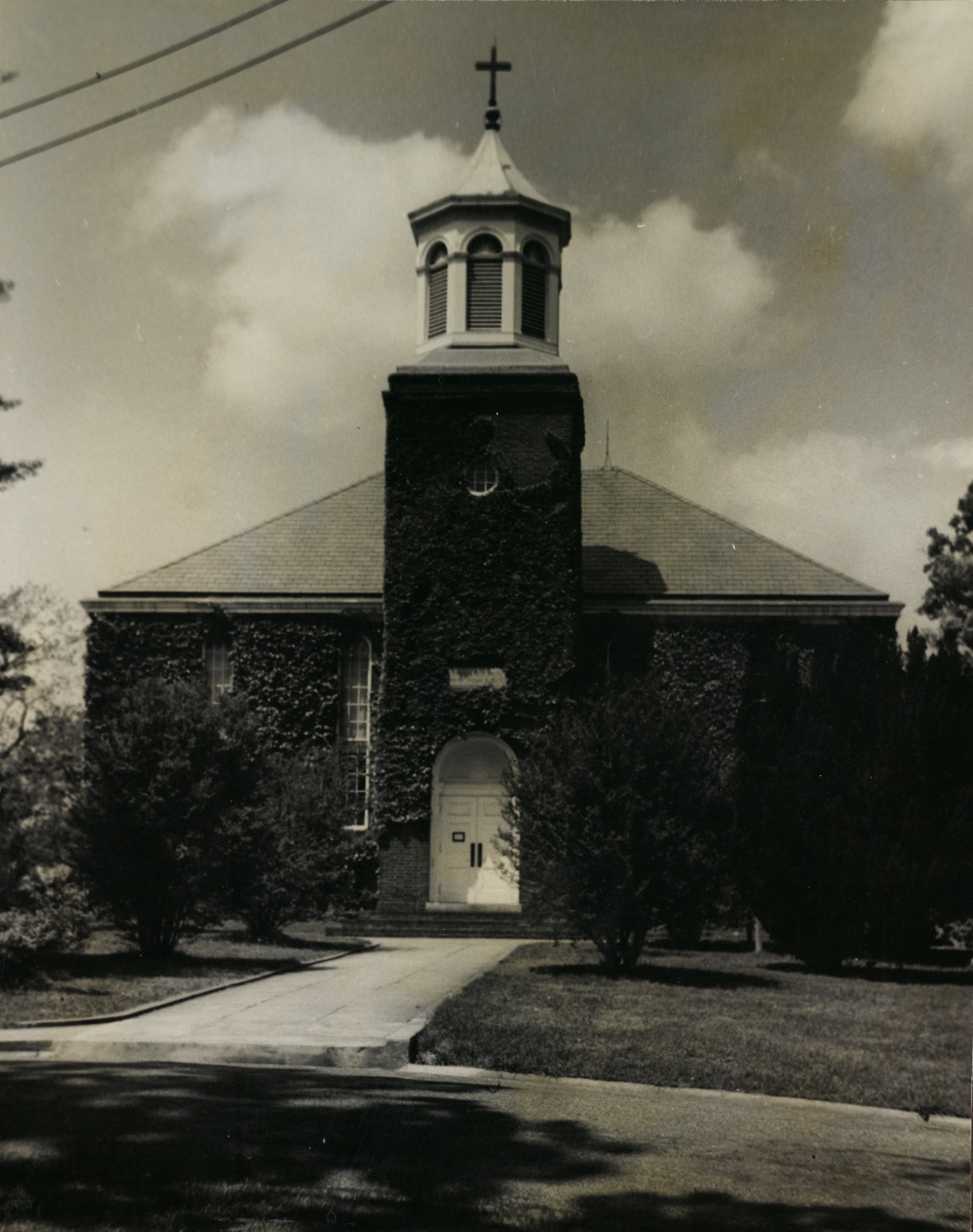
St. Paul’s quickly became not only a center of worship but also of education, founding the first school within what is now the District of Columbia. In 1810, the parish was rebuilt with the help of Francis Scott Key—later the author of the Star-Spangled Banner – who also played a role in founding Virginia Theological Seminary.
In the 1830s, the vestry set aside part of the glebe for what would become Rock Creek Cemetery, formally established by an act of Congress in 1840. For centuries, the cemetery and churchyard have been sacred ground where generations of Washingtonians have been remembered and honored.
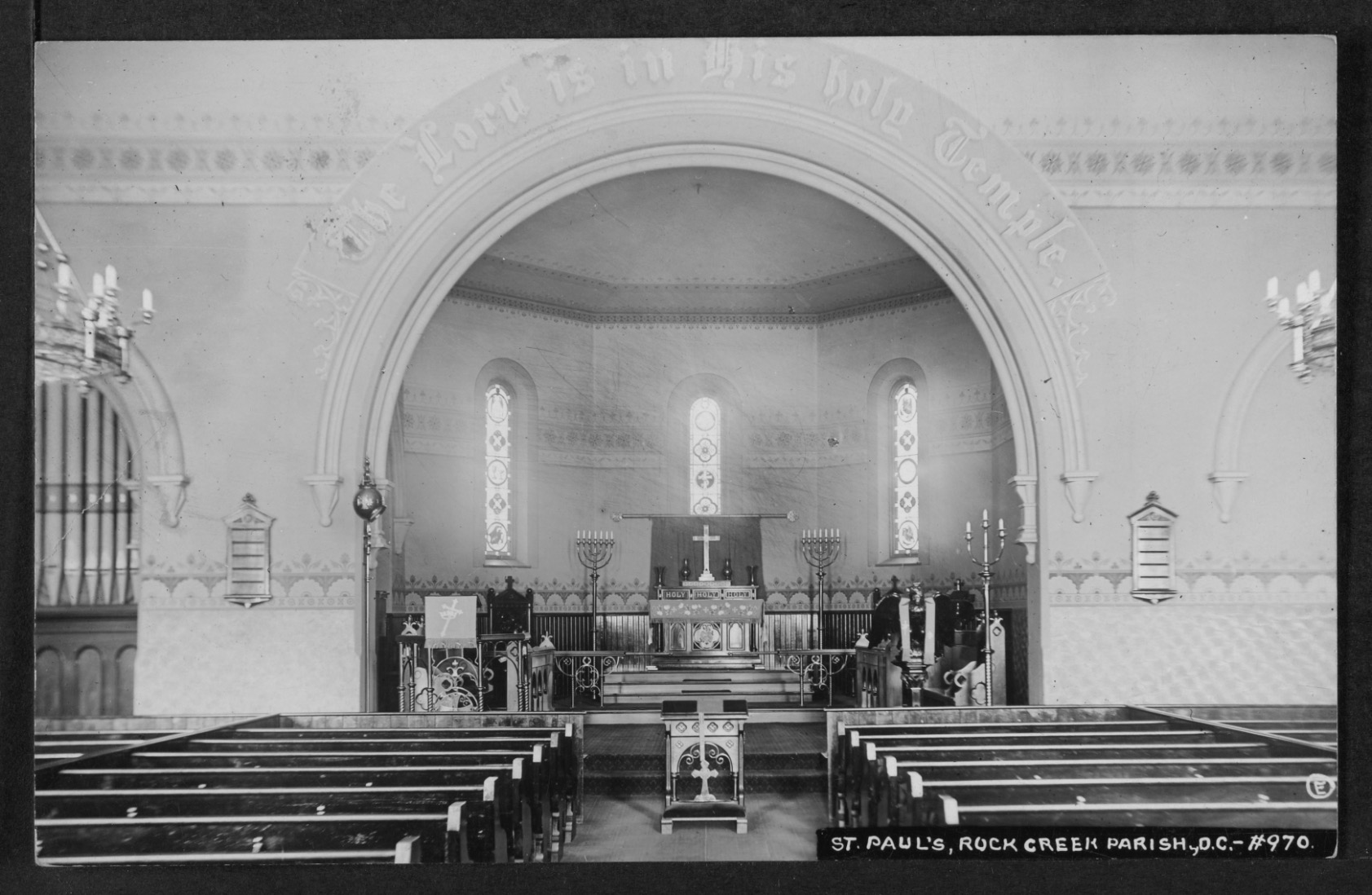
Though the church has suffered devastating fires over its long life—including one in 1921 that required a major restoration—the community has never ceased to gather. The present church, renowned for its acoustics and luminous stained-glass windows depicting the story of the Episcopal Church in America, rises as a testament to resilience and beauty.
From colonial days through the formation of the Diocese of Washington in 1896, and into our own time, St. Paul’s has been a spiritual home at the heart of the nation’s capital. In 2012, we celebrated our tricentennial, giving thanks for the countless lives shaped and blessed here.
Today, St. Paul’s continues to live into its calling: a parish rooted in history, alive in worship, and committed to justice, hospitality, and faith. Our doors, like the Gospel we proclaim, remain open to all who seek a place of belonging in the presence of God.